Get Inspired For 4 Mechanisms Of Antibiotic Resistance
Clindamycin cant bind methylated ribosome modification of antibiotic target Exhibits cross-resistance with macrolides ie. Gram-negative bacteria have an outer layer membrane that protects them from their environment.
 N4nkuhvcnqr3im
Mechanisms of Antifungal Drug Resistance.
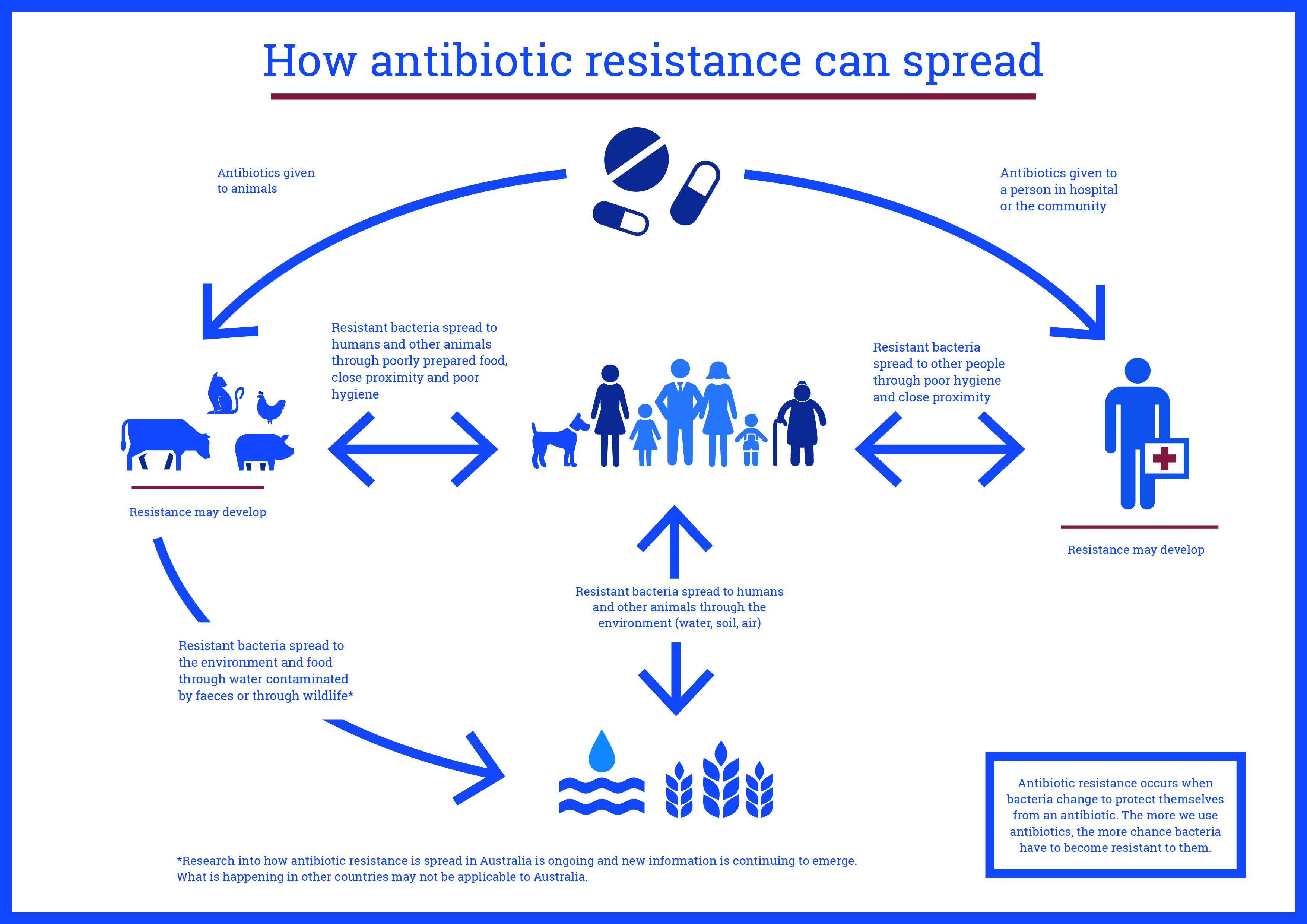
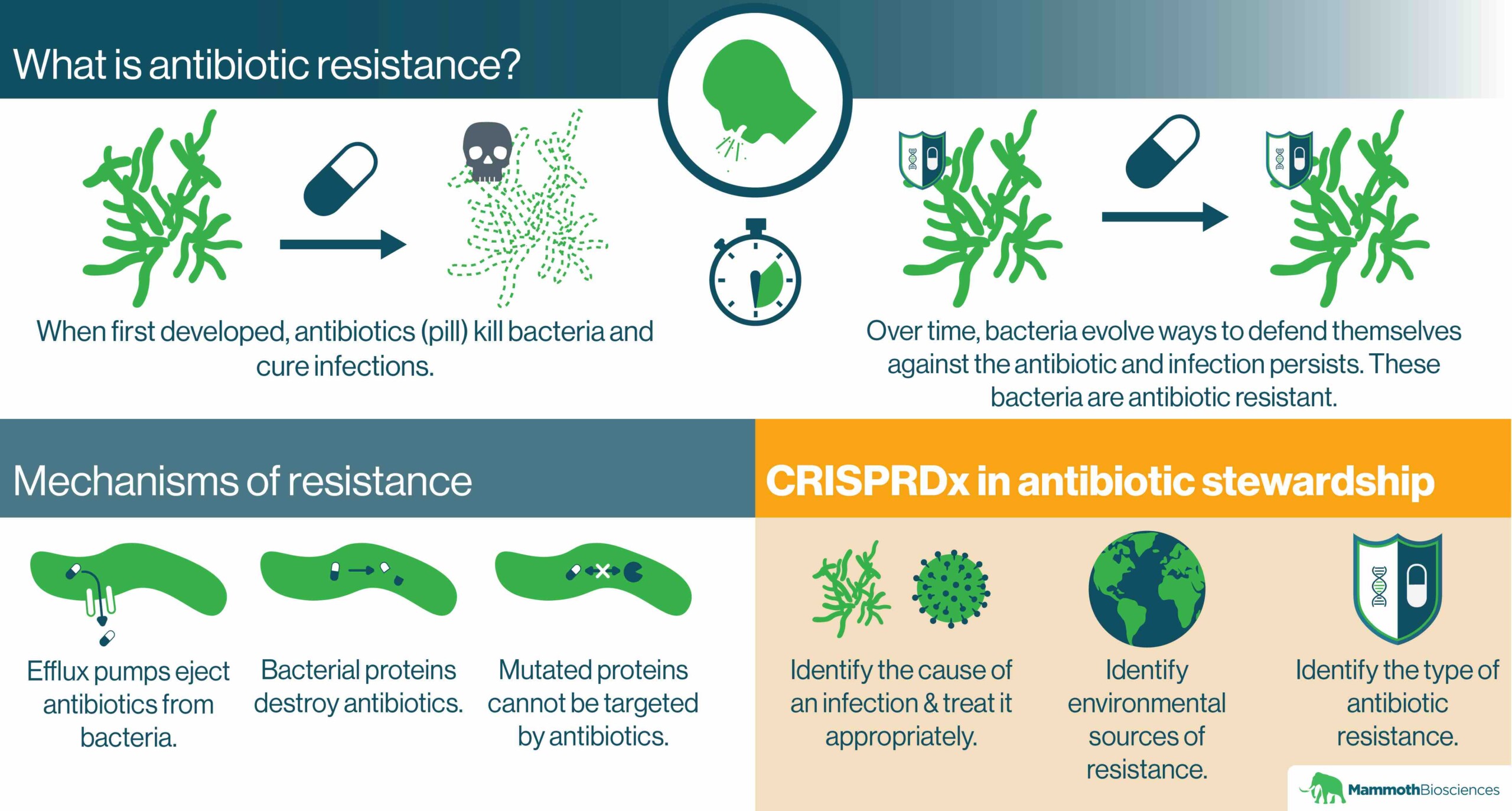
4 mechanisms of antibiotic resistance. Antibiotic resistance can be either plasmid mediated or maintained on the bacterial chromosome. The bacterial response to the antibiotic attack is the prime example of bacterial adaptation and the pinnacle of. Multidrug-resistant organisms have not only emerged in the hospital environment but are now often identified in community settings suggesting that reservoirs of antibiotic-resistant bacteria are present outside the hospital.
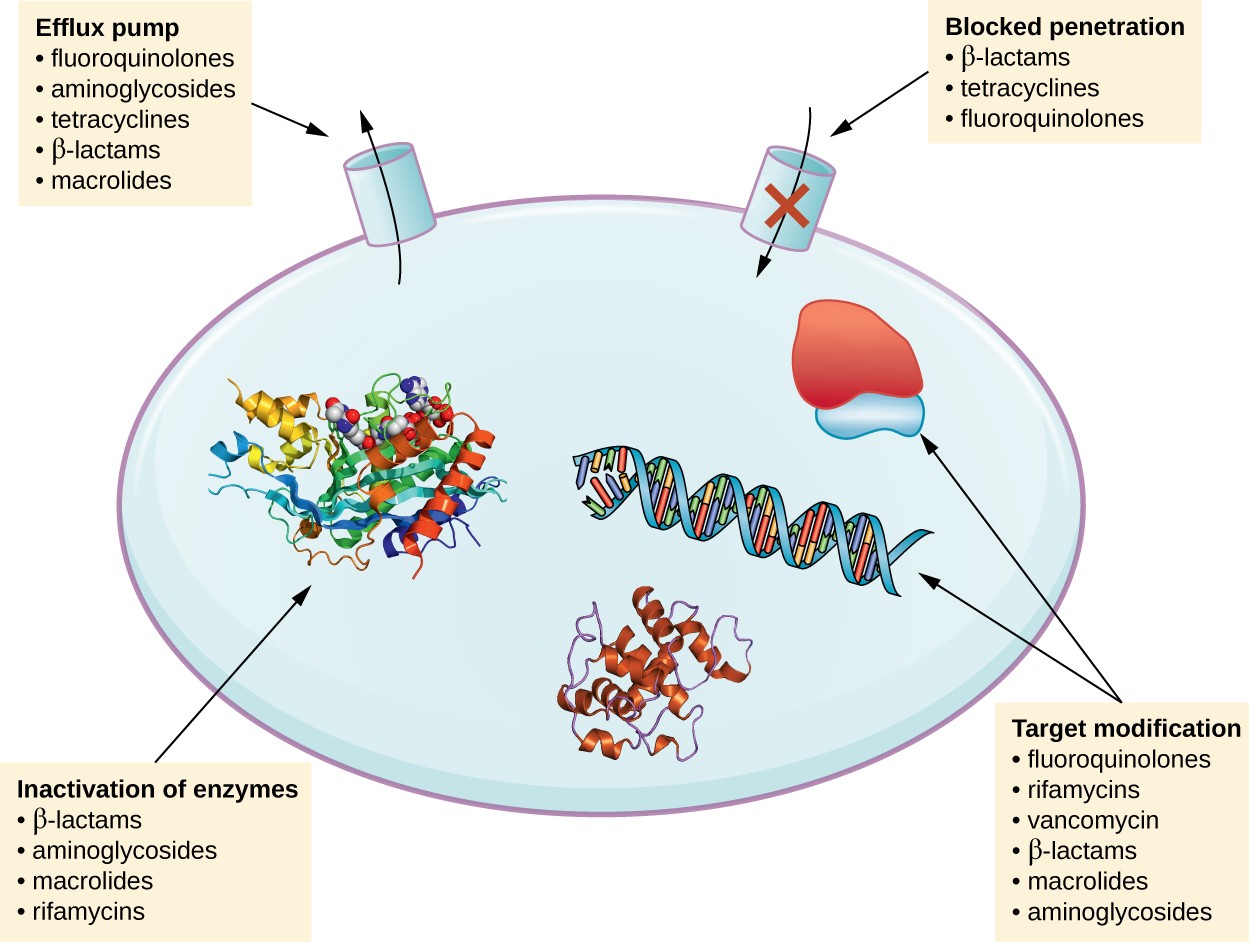
Thus microbes have been. Resistance Mechanisms Defense Strategies Resistance Mechanisms Defense Strategies Description. T he three fundamental mechanisms of antimicrobial resistance are 1 enzymatic degradation of antibacterial drugs 2 alteration of bacterial proteins that are antimicrobial targets and 3 changes in membrane permeability to antibiotics.
Emergence of resistance among the most important bacterial pathogens is recognized as a major public health threat affecting humans worldwide. Intrinsic resistance may make use of limiting uptake drug inactivation and drug efflux. 4 active drug efflux.
In order to provide a comprehensive classification of the antibiotic resistance mechanisms we will categorize them according to the biochemical route involved in resistance as follows. Imodifications of the antimicrobial molecule ii prevention to reach the antibiotic target by decreasing penetration or actively extruding the antimicrobial compound iiichanges andor bypass of target sites and. Germs restrict access by changing the entryways or limiting the number of entryways.
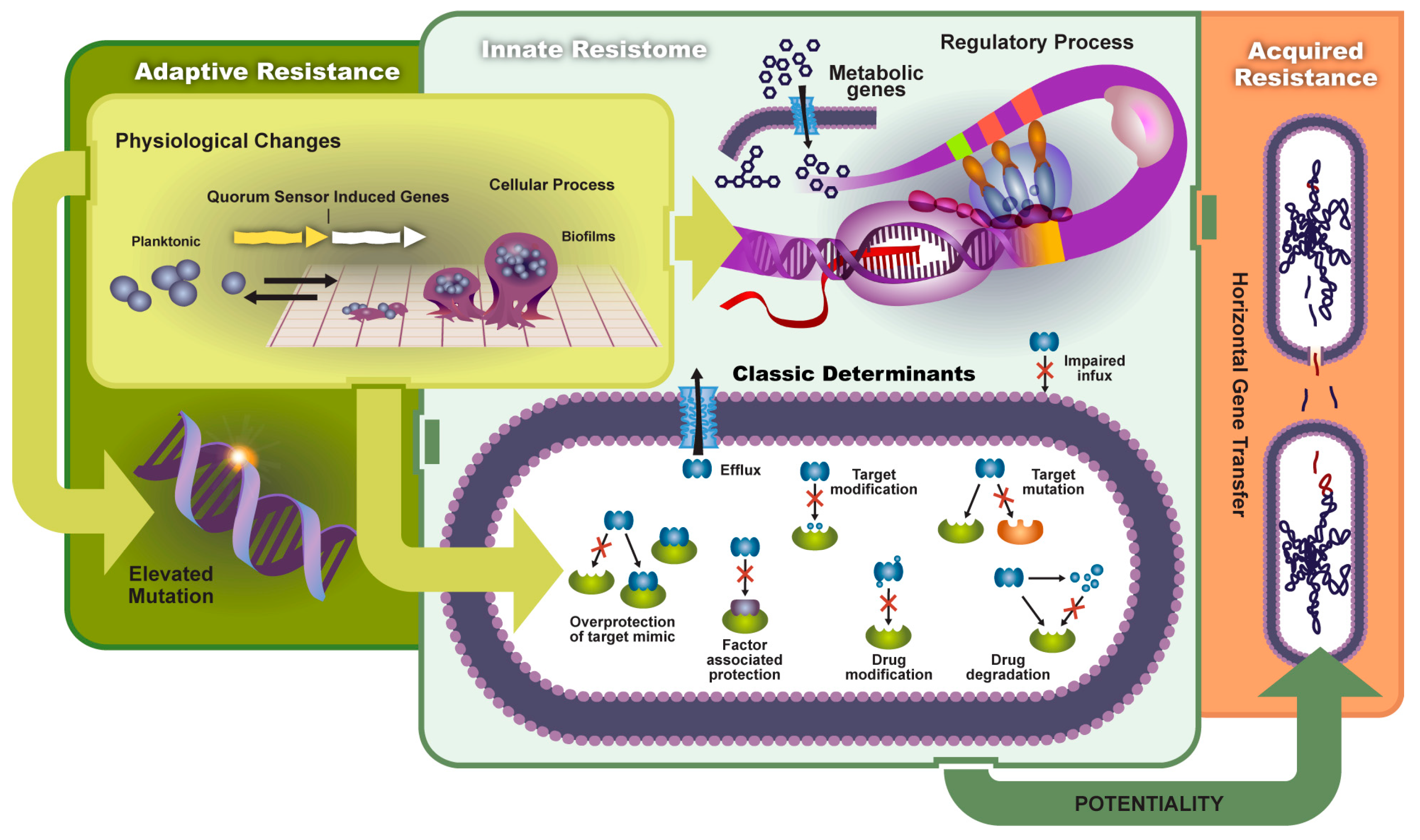
There also are biofilms. This article reviews recent advances in our understanding of the mechanisms by which bacteria are either intrinsically resistant or acquire resistance to antibiotics including the prevention of access to drug targets changes in the structure and protection of antibiotic targets and the direct modification or inactivation of antibiotics. Bacteria that are resistant to macrolides due to the presence of an erm gene are also resistant to clindamycin.
Microbes have several mechanisms they can resort to in order to develop resistance. 1 limiting uptake of a drug. Acquired resistance mechanisms used may be drug target modification drug inactivation and drug efflux.
Biochemical mechanisms of antibiotic resistance Prevention of drug accumulation in the bacterium Modificationprotection of the target site Use of alternative pathways for metabolic growthrequirements By producing an enzyme that inactivates theantibiotic Quorum sensing 23. Overcoming Antimicrobial Resistance of the Skin pp 133-142 Cite as. Antimicrobial resistance mechanisms fall into four main categories.
Multidrug-resistant organisms have not only emerged in the hospital environment but are now often identified in community settings suggesting that reservoirs of antibiotic-resistant bacteria are present outside the hospital. Mechanism of Resistance. Restrict access of the antibiotic.
3 inactivating a drug. These bacteria can use this membrane to selectively keep antibiotic. Enzymatic modification methylation of rRNA erm methylase gene.
Drug Action Mechanism of Resistance Destroy drug Aminoglycoside Beta-lactam antibiotics penicillin and cephalosporin Chloramphenicol Binds to 30S Ribosome subunit inhibiting protein synthesis Binds to penicillin-binding proteins Inhibiting peptidoglycan synthesis Bind to 50S ribosome subunit inhibiting formation of peptide bonds. 13 rows On CDCs website antibiotic resistance is also referred to as antimicrobial. 2 modifying a drug target.
Overcoming Antimicrobial Resistance of the Skin. Mechanisms of Resistance The major resistance mechanisms of microbes are decreased drug uptake efflux pumps enzymes that inactivate an antimicrobial chemical and target alterations by mutation.

4 mechanisms of antibiotic resistance. Antibiotic resistance can be either plasmid mediated or maintained on the bacterial chromosome. The bacterial response to the antibiotic attack is the prime example of bacterial adaptation and the pinnacle of. Multidrug-resistant organisms have not only emerged in the hospital environment but are now often identified in community settings suggesting that reservoirs of antibiotic-resistant bacteria are present outside the hospital. Thus microbes have been. Resistance Mechanisms Defense Strategies Resistance Mechanisms Defense Strategies Description. T he three fundamental mechanisms of antimicrobial resistance are 1 enzymatic degradation of antibacterial drugs 2 alteration of bacterial proteins that are antimicrobial targets and 3 changes in membrane permeability to antibiotics.
Emergence of resistance among the most important bacterial pathogens is recognized as a major public health threat affecting humans worldwide. Intrinsic resistance may make use of limiting uptake drug inactivation and drug efflux. 4 active drug efflux. In order to provide a comprehensive classification of the antibiotic resistance mechanisms we will categorize them according to the biochemical route involved in resistance as follows. Imodifications of the antimicrobial molecule ii prevention to reach the antibiotic target by decreasing penetration or actively extruding the antimicrobial compound iiichanges andor bypass of target sites and. Germs restrict access by changing the entryways or limiting the number of entryways.
There also are biofilms. This article reviews recent advances in our understanding of the mechanisms by which bacteria are either intrinsically resistant or acquire resistance to antibiotics including the prevention of access to drug targets changes in the structure and protection of antibiotic targets and the direct modification or inactivation of antibiotics. Bacteria that are resistant to macrolides due to the presence of an erm gene are also resistant to clindamycin. Microbes have several mechanisms they can resort to in order to develop resistance. 1 limiting uptake of a drug. Acquired resistance mechanisms used may be drug target modification drug inactivation and drug efflux.
Biochemical mechanisms of antibiotic resistance Prevention of drug accumulation in the bacterium Modificationprotection of the target site Use of alternative pathways for metabolic growthrequirements By producing an enzyme that inactivates theantibiotic Quorum sensing 23. Overcoming Antimicrobial Resistance of the Skin pp 133-142 Cite as. Antimicrobial resistance mechanisms fall into four main categories. Multidrug-resistant organisms have not only emerged in the hospital environment but are now often identified in community settings suggesting that reservoirs of antibiotic-resistant bacteria are present outside the hospital. Mechanism of Resistance. Restrict access of the antibiotic.
3 inactivating a drug. These bacteria can use this membrane to selectively keep antibiotic. Enzymatic modification methylation of rRNA erm methylase gene. Drug Action Mechanism of Resistance Destroy drug Aminoglycoside Beta-lactam antibiotics penicillin and cephalosporin Chloramphenicol Binds to 30S Ribosome subunit inhibiting protein synthesis Binds to penicillin-binding proteins Inhibiting peptidoglycan synthesis Bind to 50S ribosome subunit inhibiting formation of peptide bonds. 13 rows On CDCs website antibiotic resistance is also referred to as antimicrobial. 2 modifying a drug target.
Overcoming Antimicrobial Resistance of the Skin. Mechanisms of Resistance The major resistance mechanisms of microbes are decreased drug uptake efflux pumps enzymes that inactivate an antimicrobial chemical and target alterations by mutation.
 Gvmgydeeok0nwm
 Wn8qbcbrryay3m

 Umbgj Uraa3 Rm
Ac Kiabmrvknwm
 H6kqiwmsrteijm
 C Izkvpqdgelm
 6hmczaw1xtq5vm
 G0hdiyxewqsgdm
 Ijtmc2 Xuhdqbm
 Gpcd3duwrt6epm
 Btyhfjcnvpyrum
 Se7xyalswvgbmm
 5z96paeumbwdkm
 Ob103hn6pnczam
Bdrbt1whfamegm
 Tk0lf4ts4h32nm
 4ytcqloohbnh9m


Komentar
Posting Komentar